This page presents MSSADO’s media activities, publications, research outputs, and public awareness initiatives, reflecting our commitment to transparency, knowledge sharing, and evidence-based development in Afghanistan.
Media and Publication
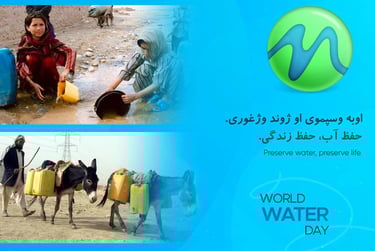
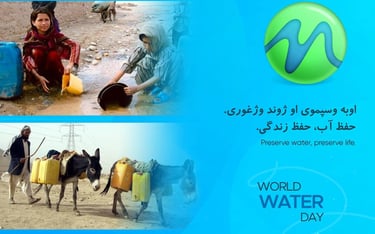
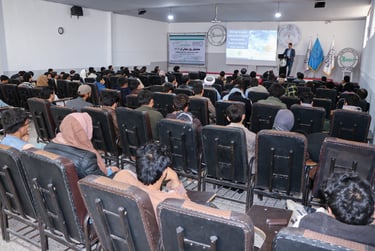
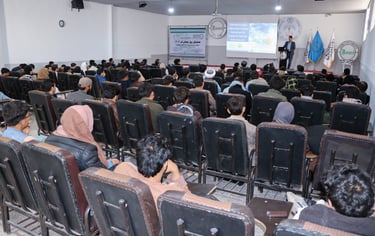
Expert Dialogue on Kabul Water Crisis
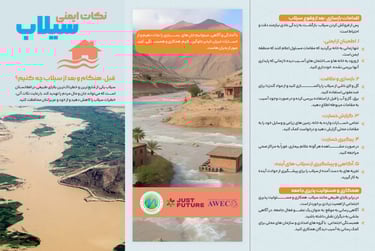
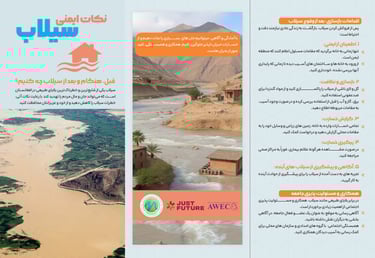
Community Flood Awareness Campaign
Protecting Afghanistan’s Glaciers Conference
September 2024
MSSADO co-hosted a virtual expert dialogue with national and international specialists to discuss urgent solutions for Kabul’s water security challenges.
March 2025
A scientific conference organized with Jami University focusing on glacier protection and future water resources in Afghanistan.
2024
Flood preparedness awareness sessions and early warning training conducted in flood-prone rural communities of Herat Province.
MSSADO produces and supports research, publications, and technical knowledge to inform policy, strengthen community resilience, and promote sustainable development in Afghanistan.
University Research Fellowship Program (2023–2025):
Supporting over 100 university students and graduates, with a strong focus on women’s participation, to conduct research on local sustainability and development challenges.Peer-Reviewed Research Publications:
Research studies published through the Unisfere Journal, addressing water resources, climate change, disaster risk reduction, and community development.Scientific Conferences & Technical Dialogues:
Conference papers, presentations, and expert dialogues on glacier protection, water security, and environmental resilience.
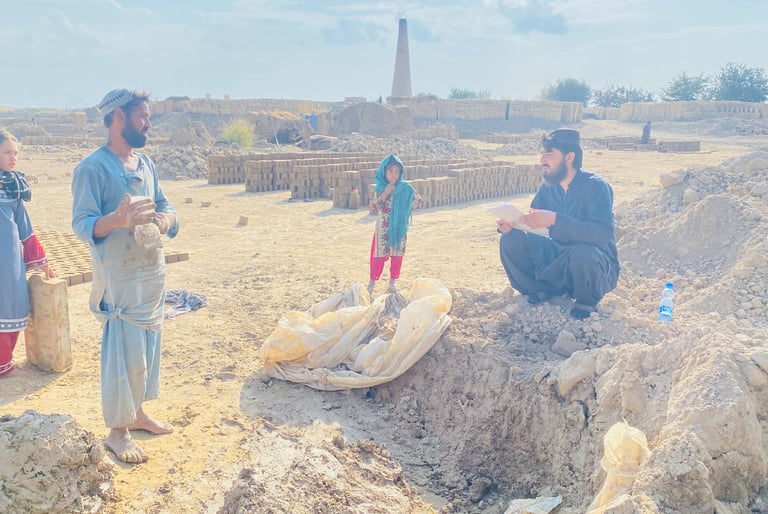
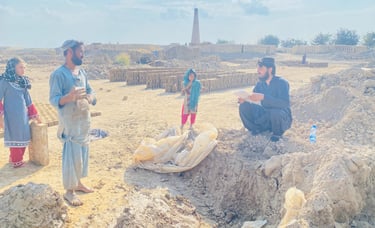
Publications & Research
Public Awareness & Outreach
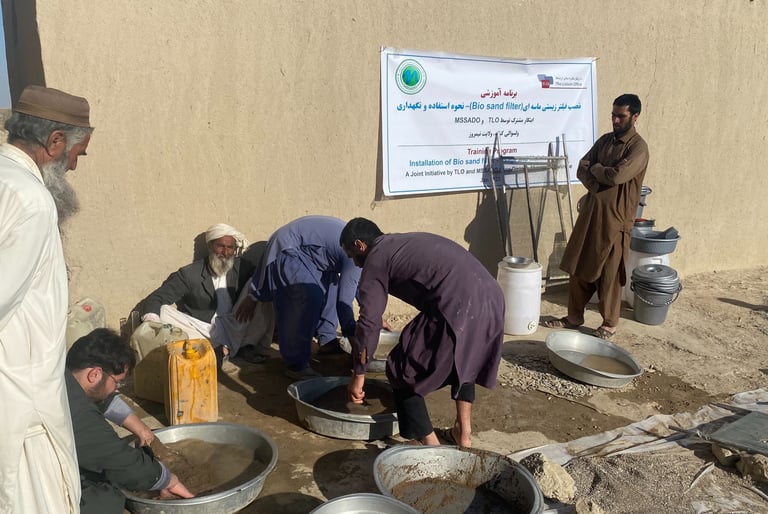
MSSADO actively promotes public awareness on disaster preparedness, water resource conservation, climate change adaptation, and sustainable practices. These efforts are implemented through community-based activities, training workshops, educational programs, and media campaigns across Afghanistan.
Flood preparedness awareness sessions in vulnerable communities
Environmental education programs in schools and learning centers
Technical advisory support on water resources management and disaster risk reduction
Public awareness campaigns through social media and local outreach
Contact Us
© 2026 All rights reserved.
Phone:
+93 796645685
Email:
MSSADO
Mirab Social Services and Development Organization works to build resilient communities in Afghanistan through disaster risk reduction, water management, and climate adaptation.